What to Pack, How to Acclimatize, and What to Do in Every Region
Peru is one of the most complete destinations in South America: you can have breakfast on the desert coast of Lima, lunch in the Andes at over 3,400 meters of altitude, and dinner listening to the sounds of the Amazon rainforest, all on the same trip. But precisely because of this diversity of climates and altitudes, good preparation makes the difference between an incredible trip and one full of setbacks.
In this guide we’ll cover everything you need to know: what to pack and what to leave behind, how to acclimatize to altitude, how to prepare if you’re heading to the jungle, and what to do (and eat) in Cusco, Puno, Arequipa, Lima, and other highland areas, including tips if you’re planning to trek.
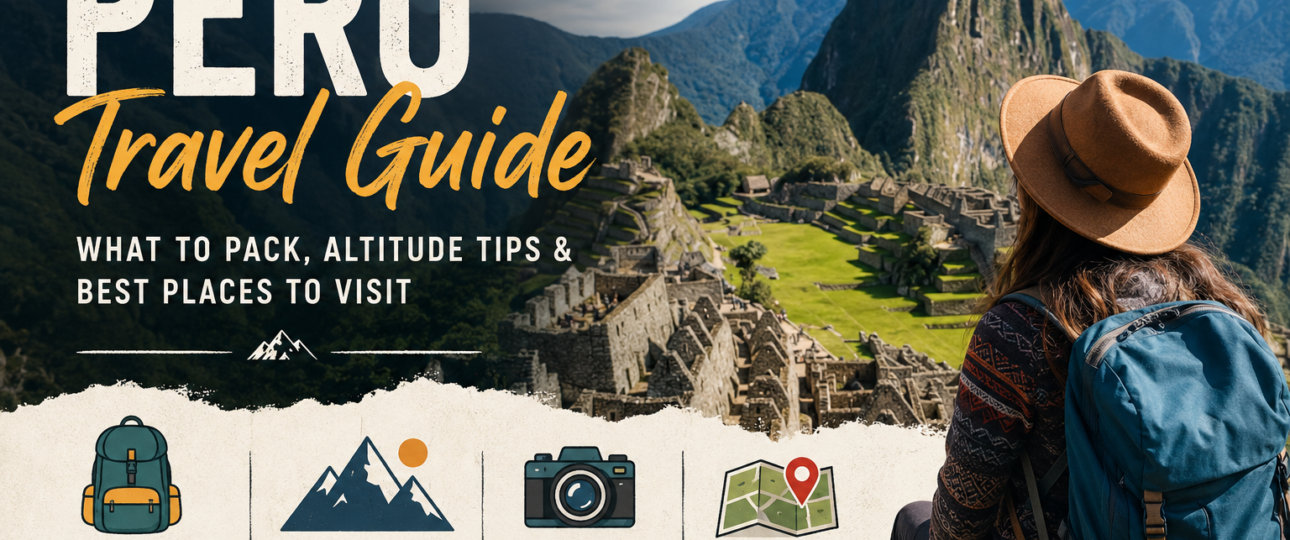
This Peru Travel Guide covers everything you need to know before visiting Peru, including what to pack, altitude sickness tips, the best destinations, trekking advice, and practical travel recommendations.
What to Pack for Your Trip in Peru (general list)
- Layered clothing (“layering system”): in the highlands the weather changes dramatically between day and night. Bring a thermal base layer, a mid layer (fleece), and a waterproof, windproof outer layer.
- Waterproof, windproof jacket: even during the dry season (May–September), Andean afternoons and nights get cold.
- Long-sleeve shirts and lightweight pants: protect from sun and mosquitoes, useful both in the highlands and the jungle.
- Comfortable, broken-in footwear: waterproof trekking shoes if you’ll be hiking; never wear brand-new shoes for a long trip.
- Sandals or flip-flops: to rest your feet after walking.
- Hat, scarf/buff, and gloves: high-altitude sun is intense during the day, and nights are cold.
- Sunscreen (minimum SPF 50) and UV-protection sunglasses: solar radiation is much stronger at altitude.
- Reusable water bottle: constant hydration is key, especially at altitude.
- Headlamp or flashlight: useful in rural areas, on treks, and in accommodations with limited electricity.
- Basic first-aid kit: pain relievers, anti-diarrheal medication, antihistamines, band-aids, insect repellent, altitude sickness medication if prescribed by your doctor, and your personal medications.
- Cash in Peruvian soles: rural and high-altitude areas don’t always have ATMs or signal for card payments.
- Copies of documents and travel insurance: passport or ID, plus a physical or digital copy of your travel insurance with medical evacuation coverage.
- Power bank and outlet adapter: Peru uses type A/C outlets (110-220V, check your devices).
- Waterproof bags or pack liners: to protect your belongings from rain, especially in the jungle and on treks.
What NOT to Pack
- Large hard-shell suitcases if you’ll be trekking or moving between several cities: they’re awkward for local transport, stairs, and dirt roads. A travel backpack is much better.
- 100% cotton clothing for trekking: it gets soaked from sweat or rain and takes a long time to dry, which can dangerously lower your body temperature at altitude. Choose technical or quick-dry fabrics instead.
- Excessive jewelry or visible valuables: keep a lower profile as a tourist and avoid opportunistic theft in cities and terminals.
- Overpacked luggage: domestic flights and treks have weight limits (usually 8 kg for carry-on on domestic flights). Pack only the essentials.
- Medications without a prescription or proper labeling: this can cause issues at customs; always carry your medicines in their original packaging.
- Unverified drone use: at archaeological sites like Machu Picchu and other protected areas, drones are prohibited or require special permits.
- Old or damaged US dollar bills: many businesses and currency exchanges in Peru reject torn, stained, or older-series dollar bills.
How to Acclimatize to Altitude (Altitude Sickness or “Soroche”)
Cusco (3,399 m / 11,152 ft), Puno (3,830 m / 12,556 ft), and other highland areas sit well above 2,500 meters, the altitude at which the body can start to feel the effects of reduced oxygen. So-called “soroche” or altitude sickness can cause headaches, fatigue, nausea, dizziness, and trouble sleeping.
Tips to acclimatize well:
- Arrive with time to spare: if possible, dedicate your first full day in a high-altitude city just to resting, without intense physical activity.
- Ascend gradually when possible: for example, arriving first in Cusco (3,399 m) before heading up to Puno (3,830 m) helps your body adapt progressively.
- Hydrate much more than usual: dry mountain air and altitude accelerate dehydration.
- Avoid alcohol and heavy meals on your first day.
- Drink coca tea or chew coca leaves: a traditional Andean remedy widely used and recommended locally to relieve mild symptoms.
- Eat light, favoring carbohydrates, and reduce protein and fat intake for the first few days.
- Avoid intense physical exertion (like long treks) during the first 24-48 hours at altitude.
- Consult your doctor before traveling: medications like acetazolamide can help prevent altitude sickness, especially if you have a history of it.
- Know the warning signs: if you experience a very intense headache, confusion, difficulty breathing at rest, or persistent vomiting, seek medical attention immediately and descend in altitude if possible. Severe altitude sickness (pulmonary or cerebral edema) is uncommon but can be serious.
If You’re Visiting the Jungle: What to Do Beforehand and What to Pack
The Peruvian Amazon (Puerto Maldonado, Iquitos, Tambopata, Manu) has a completely different climate: heat, high humidity, and abundant wildlife. Preparation here is quite different from the highlands.
Before Traveling to the Jungle
- Recommended vaccinations: check with a travel health clinic about the yellow fever vaccine (mandatory or recommended depending on the area, and often required if you’ll later visit other countries in the region), and check whether you need tetanus or hepatitis A/B boosters.
- Malaria prophylaxis: in some lowland jungle areas preventive medication is recommended; consult your doctor based on your exact itinerary.
- Travel insurance with evacuation coverage: medical evacuations in the jungle often require small planes or boats, so it’s essential to have insurance that covers this type of transport.
- Check the weather and season: the rainy season (December–March) means higher rivers, while the dry season (May–October) is better for forest hikes.
What to Pack for the Jungle
- Long-sleeve shirts and lightweight pants in neutral colors (avoid very bright colors or black, which attract more insects).
- Insect repellent with DEET (minimum 30-40%), and reapply regularly.
- Rubber boots or waterproof footwear: many lodges provide these, but confirm beforehand.
- Portable mosquito net, if your accommodation doesn’t guarantee one.
- Quick-dry clothing: humidity means everything takes a long time to dry.
- Waterproof bags or a pack liner: jungle rain can be intense and sudden.
- Flashlight or headlamp with spare batteries: many lodges have limited electricity or generator schedules.
- Binoculars: for birdwatching and wildlife spotting.
- Antihistamines and cream for insect bites.
- Lightweight rain poncho.
What to Do in Cusco
Cusco is the gateway to the Sacred Valley and Machu Picchu, and a city rich in history in its own right.
- Plaza de Armas and Cusco Cathedral: the historic heart of the city, built on Inca foundations.
- Qorikancha: the former Inca temple of the sun, on top of which the Santo Domingo convent was built.
- San Blas: the artisan neighborhood, with cobblestone streets, viewpoints, and a vibrant food and art gallery scene.
- Sacred Valley: includes Pisac (craft market and archaeological site), Ollantaytambo (Inca fortress and living town with original architecture), and Chinchero (traditional textiles).
- Machu Picchu: South America’s crown jewel; can be visited as a day trip from Cusco by train, or reached on foot via the Inca Trail.
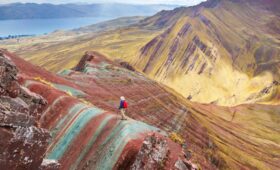
- Rainbow Mountain (Vinicunca): a high-altitude hike with spectacular views, recommended only once you’re properly acclimatized.
- San Pedro Market: to try local fruits, juices, and traditional food at good prices.
What to Eat in Cusco:
- Chiri uchu (traditional cold Cusco dish)
- Chicharrón and cuy chactado (fried guinea pig)
- Quinoa soup or chicken broth (“caldo de gallina”) for the cold
- Coca or muña tea for altitude
- Pan chuta (Cusco-style bread)
What to Do in Puno and Lake Titicaca
Puno is the gateway to the highest navigable lake in the world.
- Floating Uros Islands: artificial islands built from totora reeds, home to communities that maintain ancestral traditions.
- Taquile Island: known for its textiles, declared a UNESCO Masterpiece of the Oral and Intangible Heritage of Humanity.
- Amantaní Island: ideal for travelers seeking a homestay-style experience with local families.
- Kuntur Wasi Viewpoint: to see the city and the lake from above.
- Festivals: if your trip coincides, the Virgin of Candelaria Festival (February) is one of South America’s largest cultural celebrations.
Important tip: Puno sits at a higher altitude than Cusco (3,830 m), so if you’re coming from Cusco your body should already be partially acclimatized; still, take it easy on your first day.
What to Eat in Puno:
- Lake Titicaca trout (fried, grilled, or as chicharrón)
- Quinoa atamalada (thick quinoa stew)
- Cancacho (roasted lamb)
- Pesque de quinua (creamy quinoa dish)
What to Do in Arequipa
Known as the “White City” for its volcanic sillar-stone architecture, Arequipa blends colonial history with volcanic landscapes.
- Plaza de Armas and Basílica Cathedral: surrounded by colonial arcades, with the Misti volcano as a backdrop.
- Santa Catalina Monastery: a true colonial citadel within the city, with colorfully painted streets.
- Museum of Andean Sanctuaries: home to “Juanita,” the Inca mummy found on the Ampato volcano.
- Colca Canyon: one of the deepest canyons in the world, ideal for multi-day trekking and condor watching at the Cruz del Cóndor viewpoint.
- Yanahuara neighborhood: a viewpoint with sillar-stone arches and a stunning view of the Misti volcano.
What to Eat in Arequipa:
- Rocoto relleno (stuffed spicy pepper)
- Chupe de camarones (shrimp chowder)
- Adobo arequipeño
- Ocopa arequipeña (potatoes in a spicy peanut-herb sauce)
- Queso helado (traditional frozen dessert)
Other Highland Areas
- Huaraz and the Cordillera Blanca: base for demanding mountain treks such as Laguna 69 and the Santa Cruz circuit; requires careful acclimatization due to altitudes above 4,000 meters.
- Ayacucho: a colonial city of great historical and religious significance, known for its retablo craftsmanship and textiles.
- Puno-Cusco-Arequipa circuit: many travelers connect these three cities by road or scenic train (like the Belmond Andean Explorer), enjoying highland landscapes along the way.
General tip for the highlands: walk more slowly than usual for the first few days, avoid jumping straight to altitudes significantly higher than what you’ve already adapted to, and prioritize rest over a packed itinerary.
Trekking Tips (Inca Trail, Salkantay, Lares, and Others)
- Train before your trip: you don’t need to be an athlete, but previous hikes with your backpack and trekking shoes will help a lot with endurance and preventing blisters.
- Acclimatize for at least 2-3 days in Cusco before starting any high-altitude trek.
- Book with licensed operators: Inca Trail permits are limited and sell out months in advance, so book early.
- Bring trekking poles: they help protect your knees a lot on steep descents.
- Pack in layers and protect your backpack from rain, since even in the dry season, mountain weather can bring surprise rain showers.
- Listen to your guides: they know the terrain, the weather, and the warning signs of altitude sickness better than anyone.
- Get travel insurance that covers trekking activities and evacuation in remote areas.
What to Do in Lima
Many travelers only pass through Lima, but the capital deserves at least 1-2 days.
- Historic Center of Lima: Plaza Mayor, the Cathedral, the Government Palace, and the striking San Francisco Convent with its catacombs.
- Miraflores: the Malecón boardwalk overlooking the Pacific Ocean, the Parque del Amor, and a great area for walking, dining, and watching the sunset.
- Barranco: Lima’s bohemian neighborhood, home to the Bridge of Sighs, street art, galleries, and a lively nightlife scene.
- Larco Museum: one of the best pre-Columbian art collections in the country, with beautiful gardens.
- Magic Water Circuit: a show of fountains, lights, and music, great for evenings.
- Costa Verde: if you like surfing, Lima has several beginner- and advanced-friendly beaches.
What to Eat in Lima (and Peru in general):
- Ceviche (ideally at midday, freshly made)
- Lomo saltado (stir-fried beef)
- Ají de gallina (creamy spiced chicken)
- Anticuchos (grilled beef heart skewers)
- Causa limeña (layered potato dish)
- Tacu tacu
- Suspiro a la limeña or mazamorra morada for dessert
- Pisco sour as the country’s signature drink
General food tip: Peru is world-renowned for its cuisine; venture into local markets and traditional restaurants (“picanterías”), not just touristy spots, for the full experience.
Final Safety and Travel Tips
- Always get travel insurance that covers medical emergencies, evacuation, and, if you’ll be trekking, adventure activities.
- Watch your belongings in crowded tourist areas and transportation terminals.
- Use formal transportation or recognized ride-hailing apps, especially in large cities like Lima.
- Always carry cash in soles for rural areas, markets, and treks, where card access isn’t always available.
- Respect local communities and archaeological sites: follow your guides’ instructions and avoid touching ancient structures or leaving waste in nature.
- Check the season for your trip: May to September (dry season) is ideal for trekking in the Andes, while the jungle can be visited year-round, though with notable differences between the dry and rainy seasons.
Peru is a country that rewards well-prepared travelers with landscapes, culture, and history that are hard to match anywhere else in the world. With this guide, you now have the foundation to plan a safe, comfortable, and unforgettable itinerary whether your adventure takes you to the heights of Cusco and Puno, the volcanoes of Arequipa, the Amazon rainforest, or an unforgettable trek through the Andes.